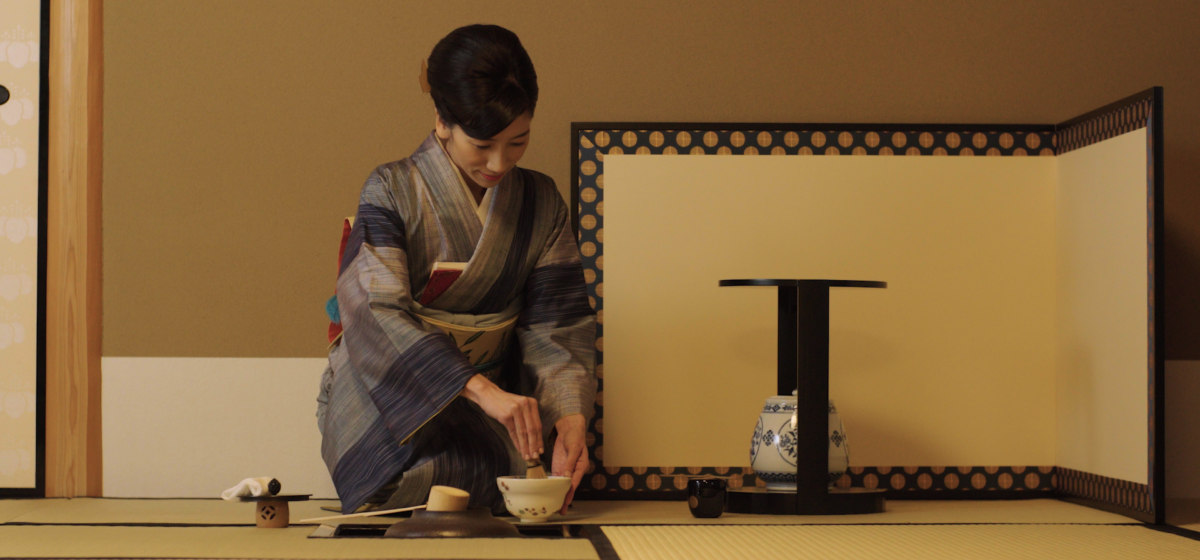
The Japanese tea ceremony is a contemplative art form—an invitation to quiet the mind, heighten one’s awareness, and appreciate the beauty found in even the smallest gestures. More than a simple act of preparing tea, it is one of Japan’s most cherished cultural traditions, preserved and refined over the course of more than a millennium.
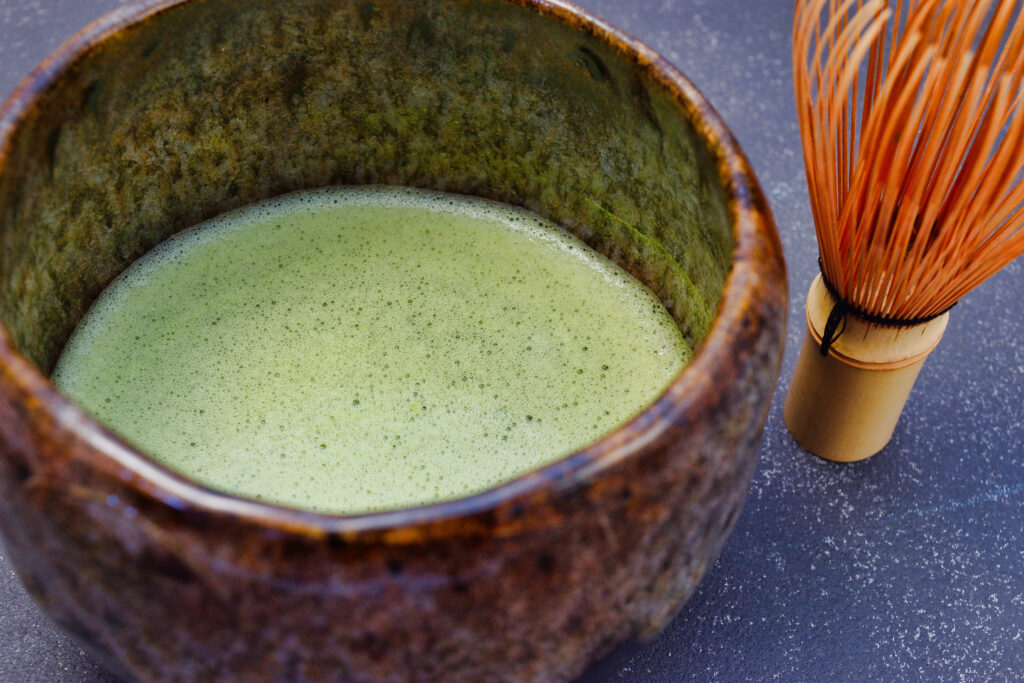
Rooted deeply in Zen Buddhist philosophy, the ceremony emphasizes harmony, respect, purity, and tranquility. These principles guide every movement made by the host as they prepare matcha, a vibrant, finely milled green tea known for its rich flavor and restorative qualities. Traditional seasonal sweets accompany the tea, thoughtfully crafted to balance its gentle bitterness and reflect the aesthetics of the season.
At the heart of the experience lies the tea room—a space intentionally designed to inspire mindfulness. Often constructed with natural materials such as wood, bamboo, and tatami, the tea room embodies simplicity and restraint. The soft lighting, low entrance, and carefully curated alcove known as the tokonoma all serve to remove worldly distractions, encouraging guests to enter a state of humility and presence. Every detail, from the placement of utensils to the arrangement of flowers, carries symbolic meaning.
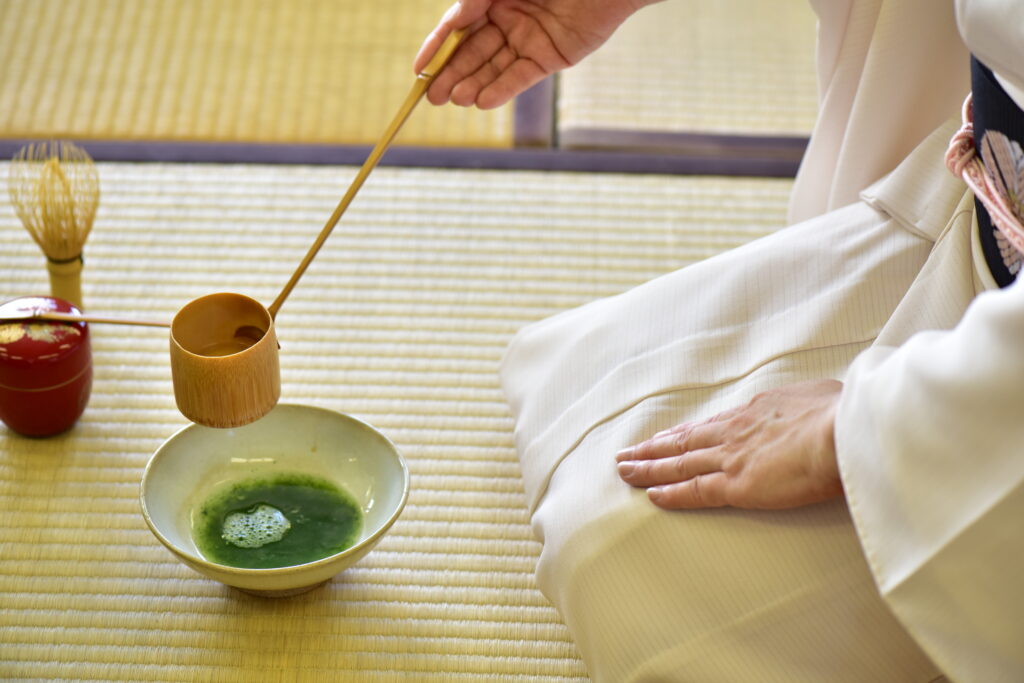
Participants may choose to wear a traditional kimono, adding another layer of authenticity and cultural immersion. The process of dressing—a ritual in itself—strengthens the connection to Japan’s refined aesthetic traditions. Wrapped in silk and guided through each movement of the ceremony, guests gain a deep appreciation for the grace and discipline that define this timeless practice.
The focus of the tea ceremony extends far beyond the act of drinking. Each motion—how the tea bowl is lifted, how the whisk is handled, how guests admire the craftsmanship of the utensils—is performed with intention. To the untrained eye, the movements may appear simple, yet they follow a precise choreography developed over centuries. A knowledgeable instructor accompanies guests throughout the experience, illuminating the subtle gestures, seasonal nuances, and layers of cultural symbolism that shape the “way of tea.”
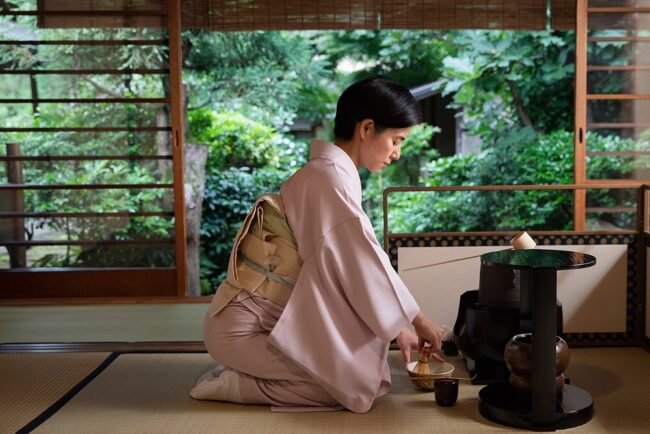
For those seeking an elevated level of exclusivity, we can curate a private tea ceremony within a temple not ordinarily open to the public. These hidden sanctuaries, rich with history and spiritual significance, offer a serene backdrop for an intimate cultural program. Surrounded by centuries-old architecture, meticulously maintained gardens, and the quiet stillness of monastic life, guests encounter a sense of peace rarely accessible to the public.
In essence, the Japanese tea ceremony transforms the preparation of a single bowl of tea into an elegant expression of omotenashi—the Japanese philosophy of wholehearted hospitality. Every gesture, every handcrafted utensil, and every moment spent in the tea room reflects the host’s sincere dedication to creating an atmosphere of warmth, respect, and connection.
For the discerning traveler, this is not merely a cultural activity, but a profound journey into Japan’s artistic heritage, spiritual traditions, and the timeless pursuit of beauty in simplicity.